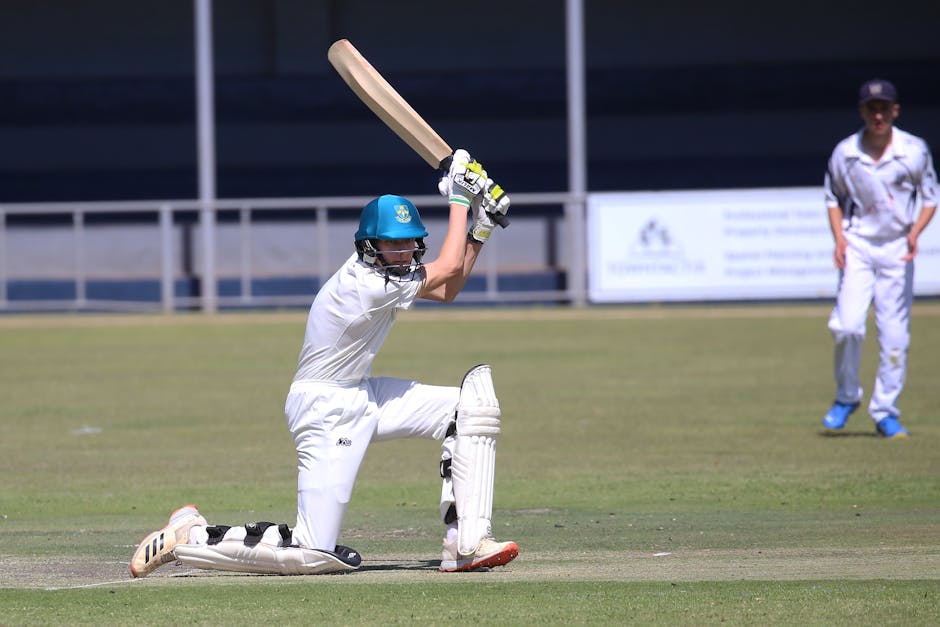
The Australian cricket team has been a dominant force in the sport for decades, with a rich history of producing talented players and competitive teams. However, the current contract dispute between senior players and Cricket Australia has thrown the sport into crisis. The rejection of central contract offers by several high-profile players has sparked concerns about the game's future and the potential impact on the national team's performance.
The central contract system is designed to provide a fair and equitable way of compensating players for their services, taking into account factors such as their performance, experience, and contributions to the team. However, the current system has been criticized for being outdated and inadequate, with many players feeling that they are not being fairly compensated for their efforts. The contract rejections are a clear indication that players are no longer satisfied with the status quo and are seeking better deals.
Introduction to the Central Contract System
The central contract system was introduced in the 1990s as a way of professionalizing the game and providing players with a stable income. Under the system, players are offered contracts by the national governing body, which provide them with a guaranteed income for a set period of time. The contracts are typically offered on a annual basis, with players able to negotiate their contracts at the end of each season. The system has undergone several changes over the years, with the most recent revision being introduced in 2017.
Background and Context
The current contract dispute is not an isolated incident, but rather a symptom of a larger issue. The Australian cricket team has been facing several challenges in recent years, including a decline in performance, a lack of depth in the squad, and a series of off-field controversies. The team's poor performance in recent series has led to a decline in popularity and a loss of revenue, which has put pressure on Cricket Australia to reduce costs. The contract dispute is a result of this pressure, with players seeking better deals and Cricket Australia seeking to reduce its expenditure on player contracts.
Current Developments and Implications
The contract rejections have significant implications for the future of the game. If the dispute is not resolved, it could lead to a player strike, which would have a devastating impact on the sport. The Australian cricket team is scheduled to play several important series in the coming months, including a Test series against England and a one-day series against India. A player strike would not only affect the team's performance but also damage the reputation of the sport and lead to a loss of revenue. Cricket Australia has stated that it is committed to finding a resolution to the dispute, but the players are adamant that they will not back down until their demands are met.
Analysis of the Contract Dispute
The contract dispute is a complex issue, with both parties having valid arguments. The players are seeking better deals, which they believe reflect their value to the team and the sport. They argue that the current contract system is outdated and does not take into account the changing landscape of the sport. Cricket Australia, on the other hand, is seeking to reduce its expenditure on player contracts, which it believes is necessary to ensure the long-term sustainability of the sport. The dispute highlights the challenges of managing a professional sports team, where the interests of the players, the governing body, and the fans often conflict.
The dispute also raises questions about the role of the players' association, which is responsible for representing the interests of the players. The association has been criticized for not doing enough to support the players, with some arguing that it has been too soft on Cricket Australia. The dispute highlights the need for a stronger and more effective players' association, which can negotiate on behalf of the players and protect their interests.
The Future of Australian Cricket
The future of Australian cricket is uncertain, with the contract dispute being just one of several challenges facing the sport. The team's poor performance in recent years has led to a decline in popularity, which has resulted in a loss of revenue. The sport is also facing increased competition from other sports, such as soccer and rugby, which are becoming increasingly popular in Australia. To address these challenges, Cricket Australia needs to develop a comprehensive strategy that takes into account the needs of the players, the fans, and the governing body.
This strategy should include a review of the central contract system, which should be updated to reflect the changing landscape of the sport. The system should be designed to provide a fair and equitable way of compensating players, taking into account factors such as their performance, experience, and contributions to the team. The strategy should also include initiatives to improve the team's performance, such as investing in coaching and training programs, and to increase the sport's popularity, such as hosting more international matches and promoting the sport through social media.
Risks and Opportunities
The contract dispute presents both risks and opportunities for Australian cricket. If the dispute is not resolved, it could lead to a player strike, which would have a devastating impact on the sport. However, if the dispute is resolved, it could lead to a more equitable and sustainable contract system, which would benefit both the players and the governing body. The dispute also presents an opportunity for Cricket Australia to review its governance structure and to make changes that would improve the sport's administration and management.
The dispute also highlights the importance of effective communication and negotiation between the players, the governing body, and the fans. The sport needs to develop a more collaborative and inclusive approach to decision-making, which takes into account the needs and interests of all stakeholders. This approach should include regular communication and consultation with the players, the fans, and other stakeholders, as well as a commitment to transparency and accountability.
Conclusion
The Australian cricket team is facing a crisis, with the contract dispute between senior players and Cricket Australia sparking concerns about the game's future. The dispute highlights the challenges of managing a professional sports team, where the interests of the players, the governing body, and the fans often conflict. To address these challenges, Cricket Australia needs to develop a comprehensive strategy that takes into account the needs of all stakeholders. This strategy should include a review of the central contract system, initiatives to improve the team's performance, and a commitment to effective communication and negotiation. The future of Australian cricket is uncertain, but with the right approach, the sport can overcome its current challenges and continue to thrive