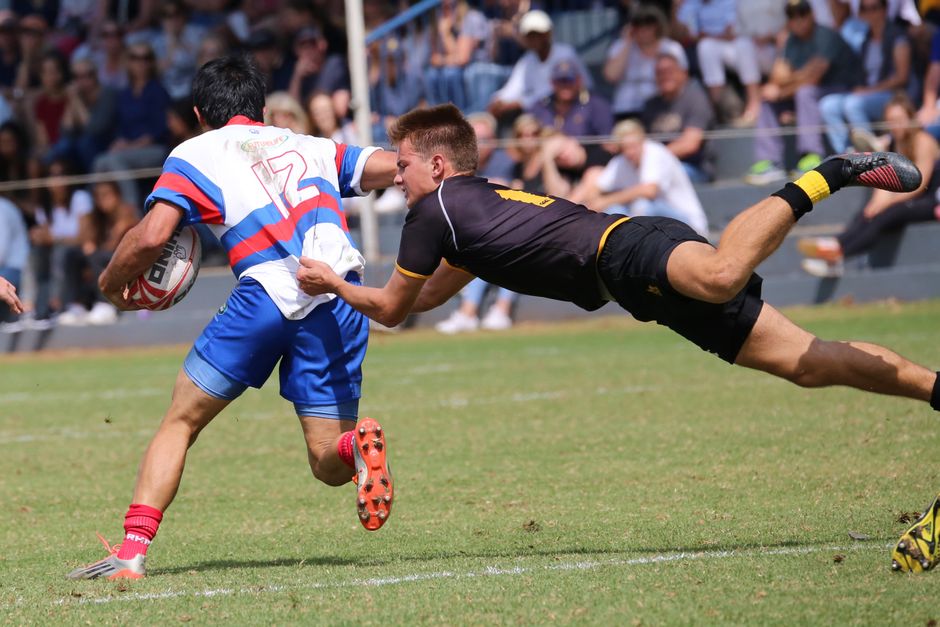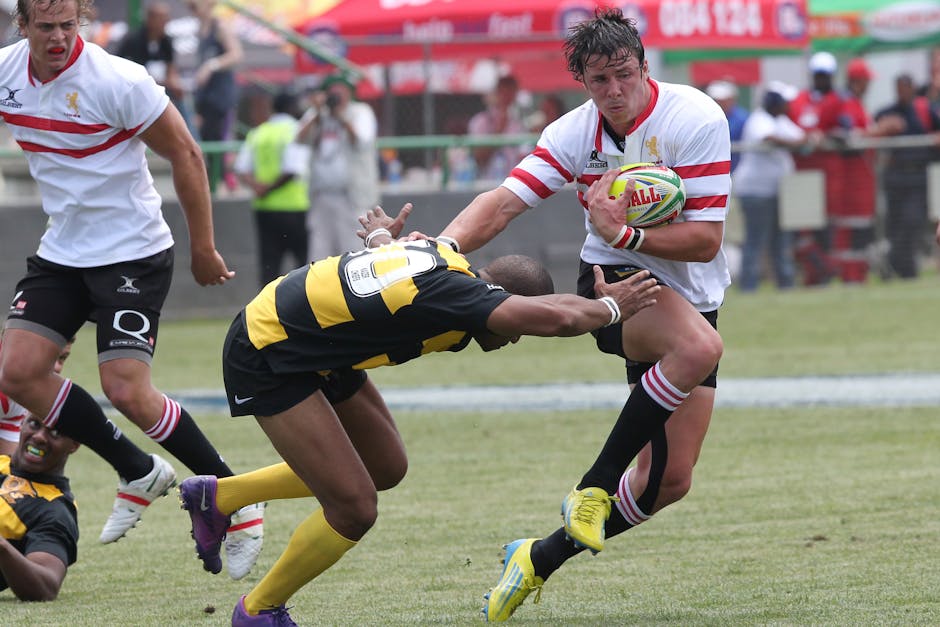
The Australian rugby team has always been a force to be reckoned with on the international stage, and the country's NRL talent pool has been a key factor in this success. With a strong competitive league and a wealth of talented players, the NRL has provided a platform for Australian rugby to thrive. The 2003 Rugby World Cup is a prime example of this, where the Wallabies made it to the final, only to be defeated by England.
The NRL has a long history of producing talented players who have gone on to represent Australia in the Rugby World Cup. Players like Brad Fittler, Andrew Johns, and Mal Meninga have all made the transition from the NRL to the international stage, and have played a crucial role in Australia's rugby success. With another batch of NRL recruits set to join the Australian team, the question on everyone's mind is can the lessons of 2003 help bring World Cup success in 2027? The Australian team will be looking to draw on the experience of these players as they bid for glory in the 2027 Rugby World Cup.
Introduction to the NRL Talent Pool
The NRL is one of the most competitive rugby leagues in the world, with a strong following in Australia and a wealth of talented players. The league has a long history of producing players who have gone on to represent Australia in the Rugby World Cup, and has been a key factor in the country's rugby success. The NRL has a strong competitive structure, with 16 teams competing in a 25-round regular season, followed by a finals series. This structure provides a platform for players to develop their skills and gain experience, which is essential for success at the international level.
The NRL has a number of programs in place to develop young players and provide them with the skills and experience they need to succeed at the international level. The NRL's junior development programs, such as the NRL Under 20s competition, provide a platform for young players to develop their skills and gain experience. These programs have been successful in producing talented players who have gone on to represent Australia in the Rugby World Cup.
The Australian team has a strong culture of success, and the NRL has played a key role in this. The team's success in the 2003 Rugby World Cup was built on the back of a strong competitive league, and the experience of players like Brad Fittler and Andrew Johns. The Australian team will be looking to draw on this experience as they bid for glory in the 2027 Rugby World Cup.
The Current State of Australian Rugby
Australian rugby is currently in a state of transition, with a number of experienced players having retired from the international stage. The team is in the process of rebuilding, with a number of young players being brought into the squad. The NRL has played a key role in this process, with a number of players from the league being selected for the Australian team. Players like Latrell Mitchell and Jack Wighton have made the transition from the NRL to the international stage, and have played a crucial role in Australia's rugby success.
The Australian team has a number of challenges to overcome if they are to succeed in the 2027 Rugby World Cup. The team will need to develop a strong competitive culture, and will need to be able to perform under pressure. The NRL has a key role to play in this, with the league providing a platform for players to develop their skills and gain experience. The Australian team will also need to be able to adapt to different playing styles and conditions, which will be essential for success in the Rugby World Cup.
The Australian team has a number of experienced players who will be crucial to their success in the 2027 Rugby World Cup. Players like Michael Hooper and Samu Kerevi have a wealth of experience at the international level, and will be looking to lead the team to glory. The team will also be looking to draw on the experience of players like Brad Fittler, who has been involved in the team's coaching staff.
Expert Insights
According to Brad Fittler, the Australian team's success in the 2027 Rugby World Cup will depend on their ability to develop a strong competitive culture. "The team needs to be able to perform under pressure, and needs to have a strong competitive culture," said Fittler, former Australian captain. "The NRL has a key role to play in this, with the league providing a platform for players to develop their skills and gain experience."
"The Australian team has a number of challenges to overcome if they are to succeed in the 2027 Rugby World Cup," said Michael Cheika, former Australian coach. "The team will need to be able to adapt to different playing styles and conditions, which will be essential for success in the Rugby World Cup. The NRL has a key role to play in this, with the league providing a platform for players to develop their skills and gain experience."
"The NRL has a wealth of talented players who have the potential to represent Australia in the Rugby World Cup," said Andrew Johns, former Australian player. "Players like Latrell Mitchell and Jack Wighton have already made the transition from the NRL to the international stage, and have played a crucial role in Australia's rugby success. The Australian team will be looking to draw on the experience of these players as they bid for glory in the 2027 Rugby World Cup."
Future Implications and Outlook
The Australian team's success in the 2027 Rugby World Cup will have a significant impact on the future of Australian rugby. A successful campaign will help to promote the sport and attract new fans, which will be essential for the long-term success of the game. The NRL will play a key role in this, with the league providing a platform for players to develop their skills and gain experience.
The Australian team will be looking to build on their success in the 2027 Rugby World Cup, and will be looking to become a dominant force in international rugby. The team will need to continue to develop their skills and gain experience, which will be essential for success at the international level. The NRL will play a key role in this, with the league providing a platform for players to develop their skills and gain experience.
In conclusion, the Australian team's success in the 2027 Rugby World Cup will depend on their ability to develop a strong competitive culture and adapt to different playing styles and conditions. The NRL has a key role to play in this, with the league providing a platform for players to develop their skills and gain experience. With a strong competitive league and a wealth of talented players, Australia has the potential to become a dominant force in international rugby.