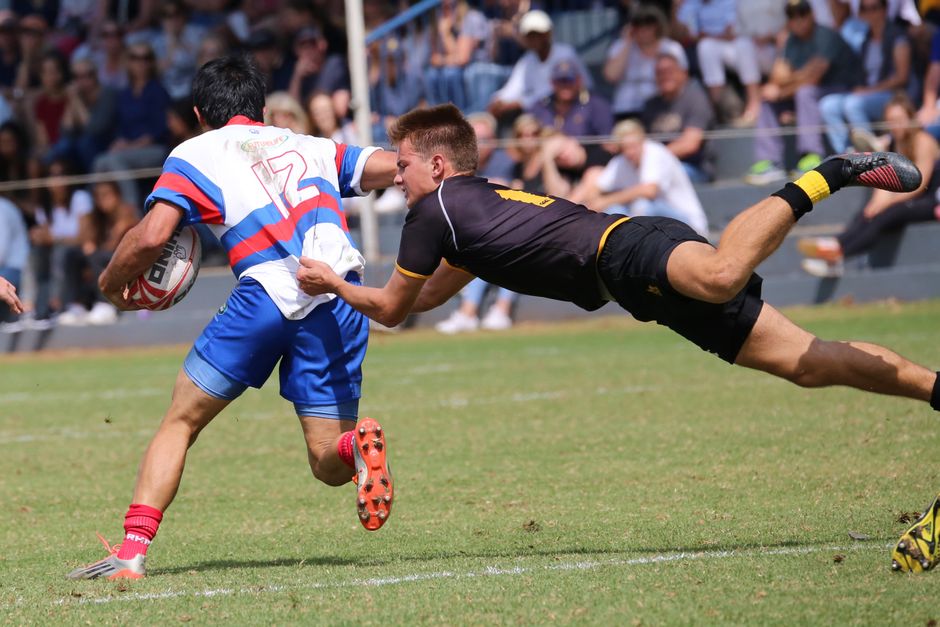
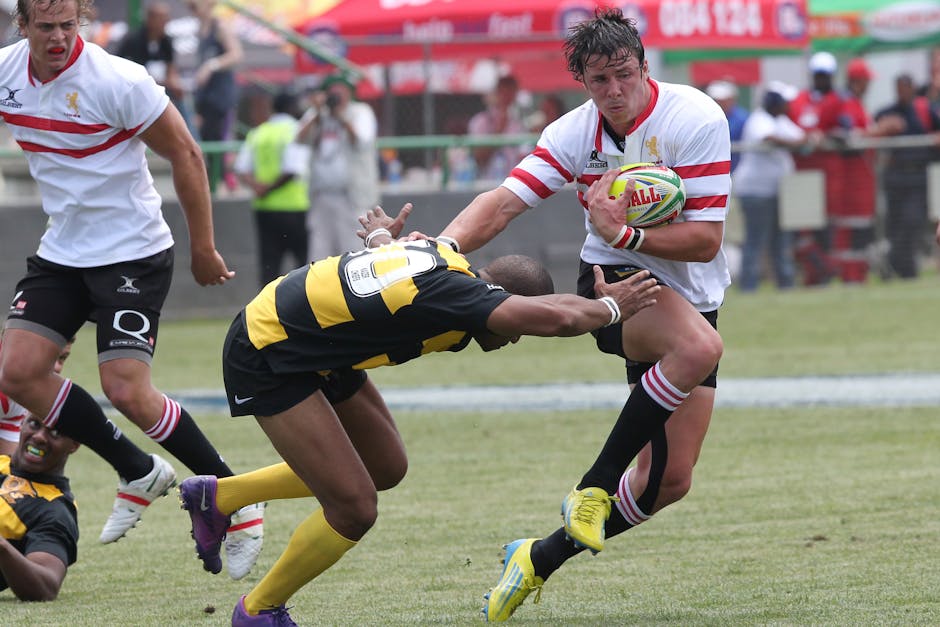
The National Rugby League (NRL) has been plagued by an injury crisis, with the Manly Sea Eagles being the latest team to suffer a significant setback. The Sea Eagles' veteran player was taken to hospital after suffering an ugly injury, sparking concerns about the welfare of players and the long-term impact on the league. This incident has highlighted the need for the NRL to reassess its policies and procedures to ensure the safety and well-being of its players.
The injury crisis in the NRL is not a new phenomenon, but it has reached alarming levels in recent seasons. The number of injuries has increased significantly, with many players being forced to undergo surgery and miss significant periods of the season. The Sea Eagles have been particularly hard hit, with several key players suffering injuries that have impacted their performance on the field. The team's struggles have raised questions about the effectiveness of their training methods and the support provided to players to prevent injuries.
Background and Context
The NRL has a long history of being a physically demanding sport, with players often pushing themselves to the limit to achieve success. However, the increasing number of injuries has prompted concerns about the sustainability of the sport and the impact on player welfare. The league has implemented various measures to reduce the risk of injury, including rule changes and increased investment in player safety and wellbeing programs. Despite these efforts, the number of injuries continues to rise, suggesting that more needs to be done to address the issue.
The Sea Eagles' injury woes are not an isolated incident, with several other teams in the NRL experiencing similar challenges. The Brisbane Broncos, for example, have struggled with a high number of injuries to key players, which has impacted their performance on the field. The Canberra Raiders have also been affected, with several players undergoing surgery and missing significant periods of the season. The injury crisis has raised questions about the effectiveness of the NRL's injury prevention and management strategies, and whether more needs to be done to support teams and players.
Current Developments
The NRL has responded to the injury crisis by implementing various measures to reduce the risk of injury and improve player safety. The league has introduced rule changes, such as the introduction of the "six-again" rule, which aims to reduce the number of high-impact collisions and promote a safer playing style. The NRL has also increased investment in player safety and wellbeing programs, including the introduction of mandatory concussion protocols and increased funding for injury prevention and management initiatives.
The Sea Eagles have also taken steps to address their injury woes, including the appointment of a new strength and conditioning coach and the introduction of new training methods. The team has also invested in advanced technology, such as GPS tracking and data analysis, to better monitor player workloads and reduce the risk of injury. Despite these efforts, the team continues to struggle with injuries, highlighting the complexity of the issue and the need for a more comprehensive approach to addressing the injury crisis.
Analysis and Implications
The injury crisis in the NRL has significant implications for the league, teams, and players. The increasing number of injuries has raised concerns about the sustainability of the sport and the impact on player welfare. The NRL has a responsibility to ensure the safety and well-being of its players, and the league must take a proactive approach to addressing the injury crisis. This includes investing in injury prevention and management initiatives, as well as promoting a culture of safety and wellbeing within the league.
The injury crisis also has significant financial implications for teams and the league. Injuries can result in significant costs, including medical expenses, rehabilitation, and replacement player costs. The NRL has a finite budget, and the increasing number of injuries has put pressure on the league's resources. Teams are also impacted, with injuries affecting their performance on the field and their ability to compete for the premiership.
Outlook and Risks
The injury crisis in the NRL is a complex issue that requires a comprehensive approach to address. The league, teams, and players must work together to reduce the risk of injury and promote a culture of safety and wellbeing. This includes investing in injury prevention and management initiatives, as well as promoting a safer playing style. The NRL must also consider the long-term implications of the injury crisis, including the potential impact on player welfare and the sustainability of the sport.
The Sea Eagles' latest injury casualty has highlighted the need for the NRL to reassess its policies and procedures to ensure the safety and well-being of its players. The league must take a proactive approach to addressing the injury crisis, including investing in injury prevention and management initiatives and promoting a culture of safety and wellbeing. The Sea Eagles, along with other teams in the NRL, must also take steps to address their injury woes, including investing in advanced technology and promoting a safer playing style. The injury crisis is a significant challenge for the NRL, but with a comprehensive approach, the league can reduce the risk of injury and promote a safer and more sustainable sport.
The NRL has a number of options to consider in addressing the injury crisis, including the introduction of new rules and regulations, increased investment in injury prevention and management initiatives, and the promotion of a safer playing style. The league must also consider the potential impact of the injury crisis on player welfare and the sustainability of the sport, and take steps to mitigate these risks. This includes investing in player safety and wellbeing programs, as well as promoting a culture of safety and wellbeing within the league.
The injury crisis in the NRL is a complex issue that requires a comprehensive approach to address. The league, teams, and players must work together to reduce the risk of injury and promote a culture of safety and wellbeing. With a proactive approach, the NRL can reduce the risk of injury and promote a safer and more sustainable sport. The Sea Eagles' latest injury casualty has highlighted the need for the NRL to take action, and the league must respond to this challenge to ensure the safety and well-being of its players.
In conclusion, the NRL injury crisis is a significant challenge that requires a comprehensive approach to address. The league, teams, and players must work together to reduce the risk of injury and promote a culture of safety and wellbeing. The Sea Eagles' latest injury casualty has highlighted the need for the NRL to reassess its policies and procedures to ensure the safety and well-being of its players. With a proactive approach, the NRL can reduce the risk of injury and promote a safer and more sustainable sport, ensuring the long-term success and viability of Australian rugby league and the NRL organisation.